
"grind chart"
100 article(s) found

Introduction to the time of coffee producing area in Italian extra-strong extraction chart
Time for coffee production: it takes about 10 minutes from grinding coffee beans to boiling water to soaking a cup of coffee. Grinding: rough grinding, too fine powder is not easy to clean, and will increase the powder precipitated at the bottom of the coffee cup. Note: avoid the last few sips, there will be a little powder. Skills: no special requirements, the process is correct, so the taste does not ask

Espresso extraction control chart
Espresso extraction control chart features: the taste is clear, can restore the essential taste of coffee, sour, bitter and sweet layers are obvious. Filter out the grease and you won't worry about getting angry. Hand-flushing pots are of different shapes and full of artistic sense, and can be used as daily furnishings in the home or office. Disadvantages: you need some basic guidance from professionals. Otherwise, the taste will be very different. Filter out the grease, mouth

Flow chart of espresso making process teaching of espresso making-grinding, filling, extraction and milking
Professional coffee knowledge exchange more coffee bean information please follow the coffee workshop (Wechat official account cafe_style) espresso making-Grinding and Tamping when the coffee beans are already in the bean hopper, you can start grinding the coffee beans into powder. There are two circular grinding plates (called B) inside the bean grinder (grinder).

Coffee processing process flow chart Coffee making process Coffee bean brewing method introduction
The processing methods of coffee include water washing, semi-washing and natural drying. Different processing methods are adopted according to different regions, climates, types of coffee beans and other factors. Coffee beans processed by different methods will also show different flavors. [the processing method is as follows] 1. Peeling: using machinery or hands
Process flow chart of coffee making-Starbucks coffee making process what coffee tastes good at Starbucks
Process flow chart of coffee making-Starbucks coffee making process explains the basic method of manual brewing by using filter paper (unbleached filter paper is recommended). In fact, a more pure and elegant method is to use flannel filter cloth instead of filter paper. if brewed properly, the taste will be purer and more layered.
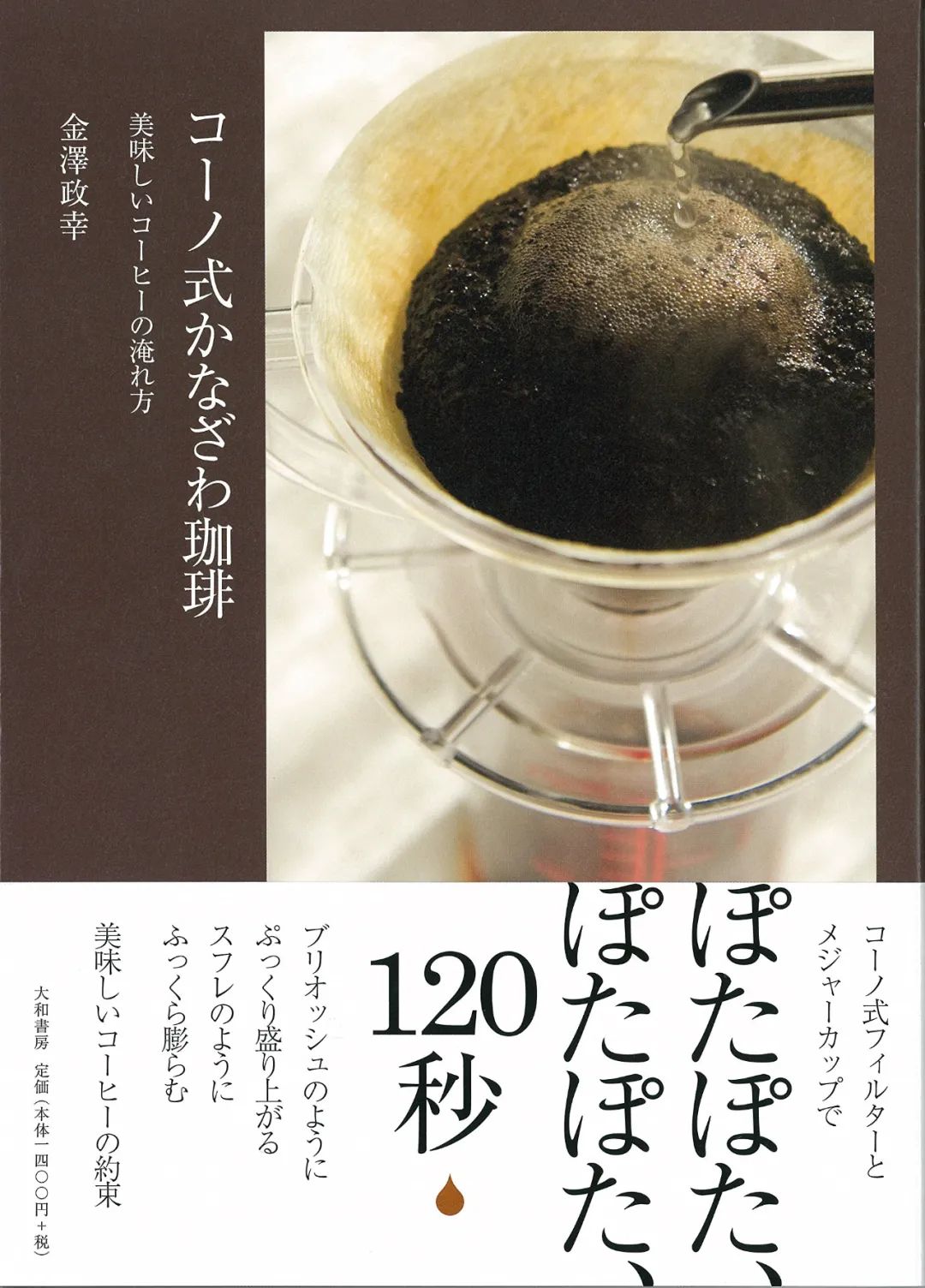
Japanese drip hand-brewed coffee Kanazawa flow chart solution good hand-brewed coffee technique introduction
Before the front street to share Kono drip and Matsuya brewing method, received good response. So this issue will introduce you to an interesting brewing method-Kanazawa style. The Kanazawa style was created by Masayuki Kanazawa, the manager of Kanazawa Cafe, who studied at Kono Coffee School and
Coffee Book recommendation: Taguchi's Coffee equation
Book title: coffee equation of Taguchi Guard author: Taguchi Keiko translator: published by Huang Wei concubine: building block culture purchase way: omnipotent Taobao ~ Mr. Taguchi, those who like coffee should be no strangers, but those who have some in-depth understanding of coffee, the old man's work is basically a must for the collection, before the Coffee Collection, and then the Fine Coffee Collection, now

Coffee composition Table Design Chart Coffee composition Chart of 31 Common Coffees in the World
First, Brazil (South America) Santos coffee: taste mellow, neutral, can be directly boiled, or mixed with other kinds of coffee beans into a comprehensive coffee, is also a good choice. Second, Columbia (South America) Manning: the palate is rich and solid, with a pleasant sour taste. The smell is mellow, moderate acidity, rich sweetness, very intriguing, suitable for deep baking, emitting a strong

Starbucks Coffee making flow Chart-how is Starbucks black coffee made? Is it good?
Professional coffee knowledge exchange more coffee bean information please follow the coffee workshop (Wechat official account cafe_style) Starbucks what is good? Why do young people want to work at Starbucks? Repeat before the formal answer: Starbucks' coffee world is two systems from the outside world. Starbucks uses its brand influence and market advantages to establish a closed coffee dynasty.

The new favorite of my hand coffee maker: flannel coffee filter cloth
Professional coffee knowledge exchange more coffee bean information please follow the coffee workshop (Wechat official account cafe_style) coffee making process flow chart-Starbucks coffee making process one person drinks coffee, grind beans by hand, of course, brewing is mostly in the simplest way, therefore, metal filter cups and legal pressure are the basic models, Vietnamese coffee pots are played occasionally, and convenient Swiss gold is used recently.

Don't say you know coffee if you haven't read it! Seven must-read Bibles in the coffee world!
For the exchange of professional baristas, please follow the coffee workshop (Wechat official account cafe_style) 1. "World Coffee Map" James Hoffmann | Building block culture through the analysis of the global coffee production map, and then provides the characteristics of producing areas, planting methods, aggregation of key elements that affect the flavor of coffee, with clear charts, analysis and excellent pictures to recreate the coffee culture completely.

I haven't read these 7 must-read bibles in the coffee world, and I dare not say that I understand coffee!
Professional barista communication, please pay attention to coffee workshop (Weixin Official Accounts cafe_style ) 1. World Coffee Map by James Hoffmann| Building block culture through the analysis of the global production of coffee map, and then provide the characteristics of the production area, planting methods, the key elements of the impact of coffee flavor, with clear charts, analysis and brilliant pictures, the coffee culture will be completely reproduced,

How to correctly use the Grinding Calibration and brewing method of Flannel Coffee filter
Professional coffee knowledge exchange more coffee bean information please follow the coffee workshop (Wechat official account cafe_style) coffee production process flow chart-Starbucks coffee production process flannel filter out of the coffee mellow and delicious is ideal. The advantage of using flannel filter is that all coffee can be exposed to boiling water without stirring the coffee in the bag.

The pine-house method and the zigzag method of making flannel coffee by hand.
Professional coffee knowledge exchange more coffee bean information please follow the coffee workshop (Wechat official account cafe_style) coffee making process flow chart-Starbucks coffee making process Matsushita-style brewing method Matsushita-style brewing method was conceived around 1962, we have developed self-made filter paper and metal frames with stitches that will not hinder the expansion of the powder layer. Filter paper takes into account the extraction

Coffee Brewing Technique Sticker: Extraction, Concentration and Brewing Ratio
To make good coffee, the key is to understand the extraction process of each brewing method. The most common coffee defects such as too bitter, too sour, too weak, and too astringent are caused by poor extraction control. Good extraction is the root of delicious coffee, so that the finished coffee flavor is clear, its variety, origin, processing and roasting methods can be clearly displayed through flavor. Physical extraction of coffee

Effect of optimum brewing water temperature of Italian coffee machine on the taste and extraction of espresso
Professional coffee knowledge exchange more coffee bean information please follow the coffee workshop (Wechat official account cafe_style) the relationship between the water temperature of hand-brewed coffee and extraction tools as well as the freshness of coffee beans as long as we choose the right coffee machine, we can adjust the water temperature as long as we choose the right coffee machine, but people have different understanding of the water temperature. Many coffee shops do not use water temperature as a reference to adjust coffee brewing parameters.

Rich and charming fruity Yejia Sheffivoka boutique coffee beans grind degree baking degree treatment method Jane
Yirgacheffe Aricha Grade 1 raw bean color is yellow and green, is a typical sun-cured coffee color, particles are uniform and full, few defective beans, using ordinary sack packaging export, the sack printed with the basic information of coffee (processing plant, exporter, ICO code, treatment method, producing area) the sack is the plastic bag of agricultural products packaging, this coffee is the most capable of light slow baking.

A brief introduction to the treatment method of grinding degree and baking degree of Yega Sheffivoka boutique coffee beans
Yirgacheffe Aricha Grade 1 raw bean color is yellow and green, is a typical sun-cured coffee color, particles are uniform and full, few defective beans, using ordinary sack packaging export, the sack printed with the basic information of coffee (processing plant, exporter, ICO code, treatment method, producing area) the sack is the plastic bag of agricultural products packaging, this coffee is the most capable of light slow baking.

A brief introduction to the treatment method of grinding degree and baking degree of Yega Sheffivoka boutique coffee beans with rich sour taste
Yejia Xuefei, nearly 2,000 meters above sea level, is one of the highest coffee producing areas in the world. Here has been a wetland since ancient times, Yirga means to settle down, Cheffe means wetland, Lake Turkana, Lake Abaya, Lake Chamo bring rich water vapor here. The rift valley, represented by Misty valley, is foggy all the year round, like spring all the year round, with a gentle breeze.

Coffee Bean Classification Standard Coffee Bean AA17 What is the judgment of defective beans and ten categories
Each producing country has its own classification and rating charts, which are also commonly used to set minimum standards for exports. It has the best flavor. The size and size distribution of coffee beans also have an impact on the optimization of roasting conditions. Coffee beans in coffee-producing countries are often determined by the following factors: 1. Altitude 2. Region 3. Plant variety 4. Method of preparation (